(352) 544-0610
Stroke / Stroke Prevention
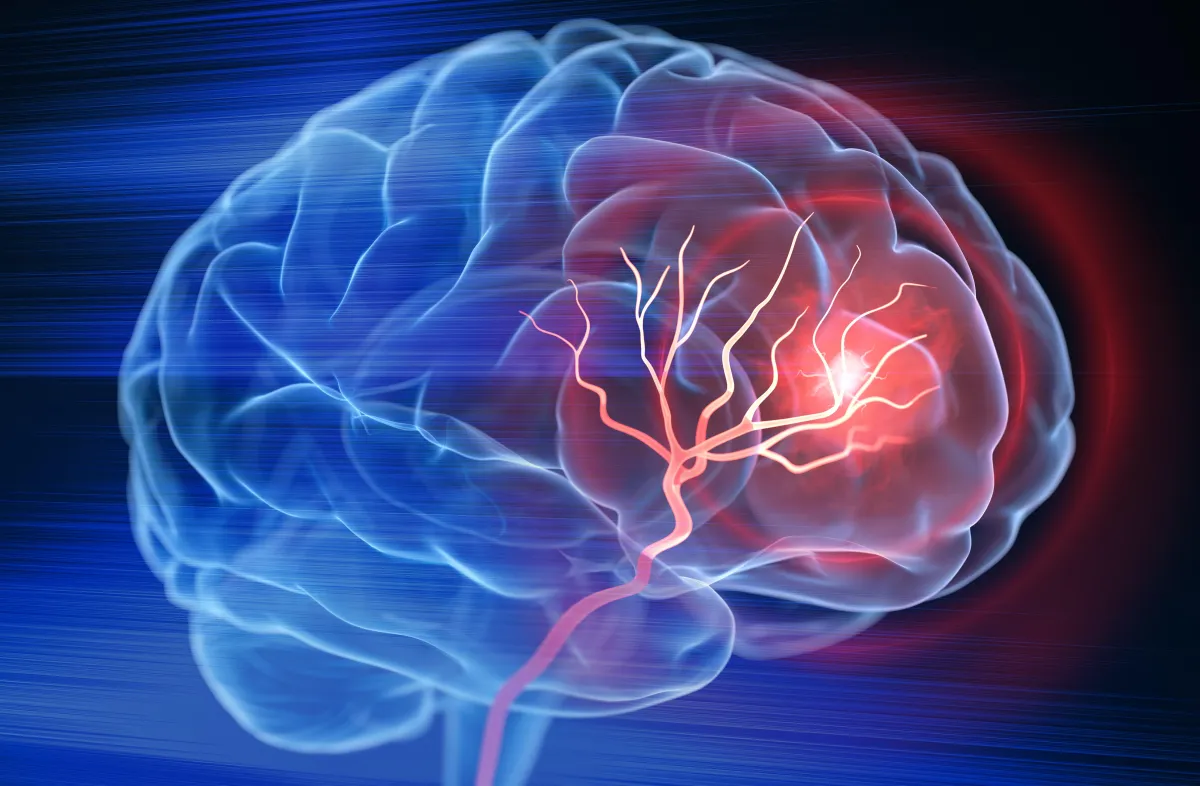
A stroke occurs when blood flow to the brain is interrupted due to a clot (ischemic stroke) or a ruptured vessel (hemorrhagic stroke). Stroke prevention focuses on reducing risk factors like hypertension, atrial fibrillation, and smoking.
Symptoms & Risks:
Face drooping
Arm weakness
Speech difficulty
Time to call 911
High blood pressure
Diabetes
Smoking
High cholesterol
Irregular heart rhythm (e.g., AFib)
Diagnosis & Monitoring:
Brain imaging (CT or MRI)
Carotid ultrasound or echocardiogram
Blood pressure and glucose control
Stroke risk calculators and monitoring tools
Treatment Options:
Blood thinners or antiplatelet medications
Lifestyle modifications
Carotid surgery in certain cases
Physical therapy and rehab post-stroke
Why Ongoing Care Matters:
Timely intervention saves brain function. Ongoing prevention helps avoid recurrence and maintains independence.
If you or someone you love is at risk for stroke or recovering from one, timely, expert care can make all the difference.
At Florida Premier Medical Care, we focus on stroke prevention through risk factor management, personalized treatment plans, and ongoing support.
Whether you're managing high blood pressure, atrial fibrillation, or recovering post-stroke, our team is here to help you protect your brain and preserve your independence.
📞 Call us today at (352) 544-0610 to schedule a stroke risk assessment.
Take a proactive step toward protecting your health—because every second counts.
Get In Touch
Brooksville, Florida 34601